FilmIn development
Jute-Based Biopolymer Film
Flexible jute-cellulose-based material being developed as an alternative to conventional plastic film for suitable applications.
- Carry bags
- Agricultural film
- Protective films
Jute-based biomaterials designed to help businesses move beyond conventional single-use plastics — bridging Bangladesh's jute heritage and Australia's demand for more responsible materials.

The facts we can stand behind — about the crop, not about us.
Jute reaches harvest in roughly four months, grown rain-fed on seasonal farmland.
Jute fibre is largely cellulose — the renewable feedstock biopolymer research draws on.
Bangladesh is the world's largest exporter of raw jute fibre.
AS 4736 and AS 5810 define the compostability claims we intend to test against.
One of Bangladesh's most promising material innovations is the development of a jute-cellulose-based biopolymer.
Bangladeshi scientist Dr Mubarak Ahmad Khan and his research team developed the technology behind the Sonali Bag®, using cellulose extracted from jute to create a biodegradable alternative to conventional plastic film. Published research has examined the material, and UNDP Bangladesh has publicly promoted jute-polymer bags as a response to plastic pollution.
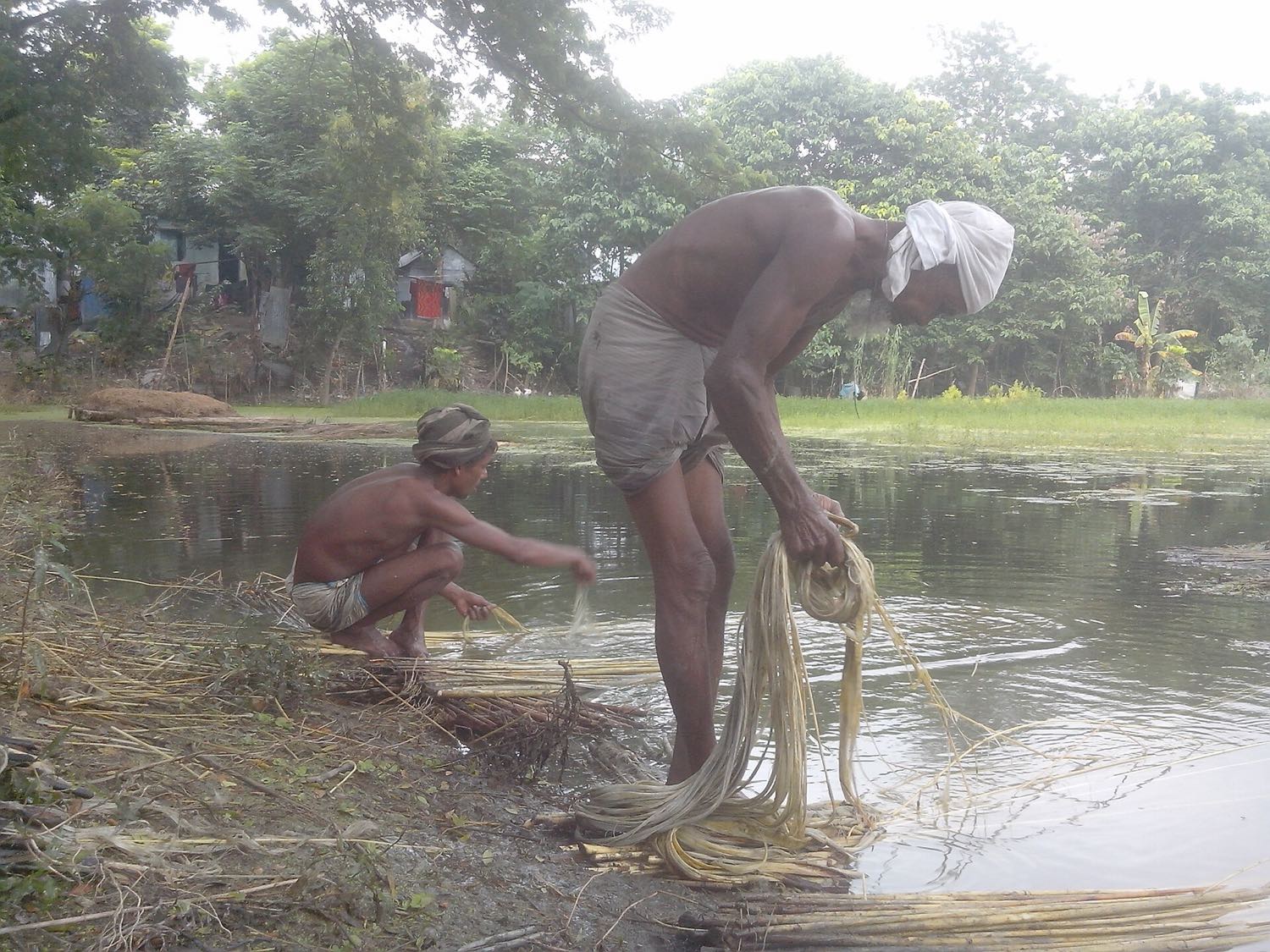
Dried jute fibre — the raw cellulose feedstock the biopolymer research starts from. Credit: Rupon Das / Wikimedia Commons, CC BY-SA 4.0 — licence
Jute doesn't have to remain only a traditional fibre. It can become an advanced material for the next generation of products.
SonaliJute did not invent this technology and makes no claim of ownership over it. Sonali Bag® and its branding belong to its Bangladeshi originators, and we are not affiliated with, endorsed by or acting on behalf of them. Images of Sonali Bag® products appear here to illustrate the underlying innovation. Our role is to explore how jute-based materials can be commercially adapted, independently validated and supplied to the Australian market.
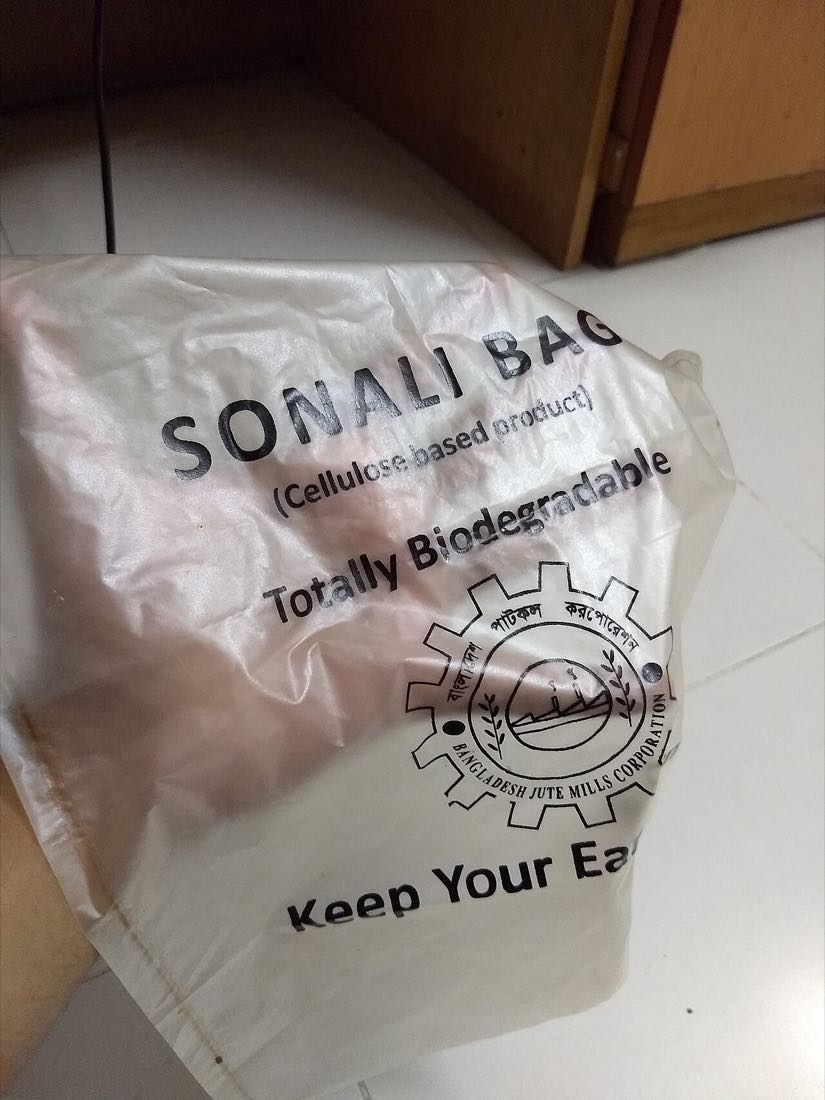
The Sonali Bag®, developed in Bangladesh. Shown to illustrate the innovation — not a SonaliJute product. Credit: Safwan Rahman / Wikimedia Commons, CC BY-SA 4.0 — licence
Dr Mubarak Ahmad Khan
and collaborating researchers, Bangladesh
Five stages take a seasonal crop through to a candidate biomaterial. Each one carries its own testing and formulation questions.
Jute begins as a renewable agricultural crop, grown extensively across Bangladesh on a roughly 120-day rain-fed cycle.
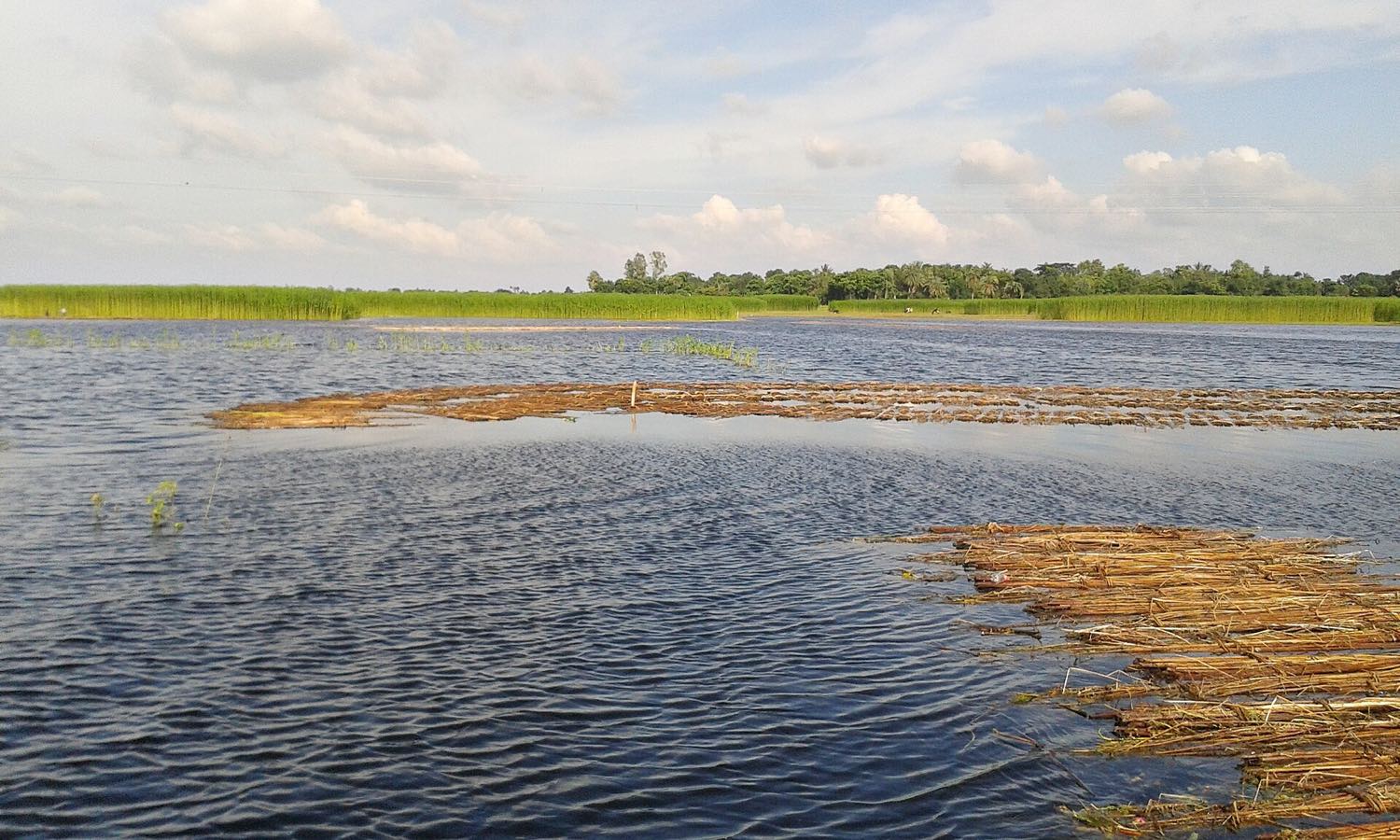
Jute growing in the field — a rain-fed crop on a roughly 120-day cycle. Credit: Masum-al-hasan / Wikimedia Commons, CC BY-SA 4.0 — licence
Plastic transformed the modern world — and is now choking it. The scale is staggering, and time is not on our side.
Among the highest consumption per person of any nation on earth.
The rest is landfilled, burned, or lost into the environment.
Washing onto the beaches and reefs that define Australian life.
Phase-out lists widen every year — compliance is no longer optional.
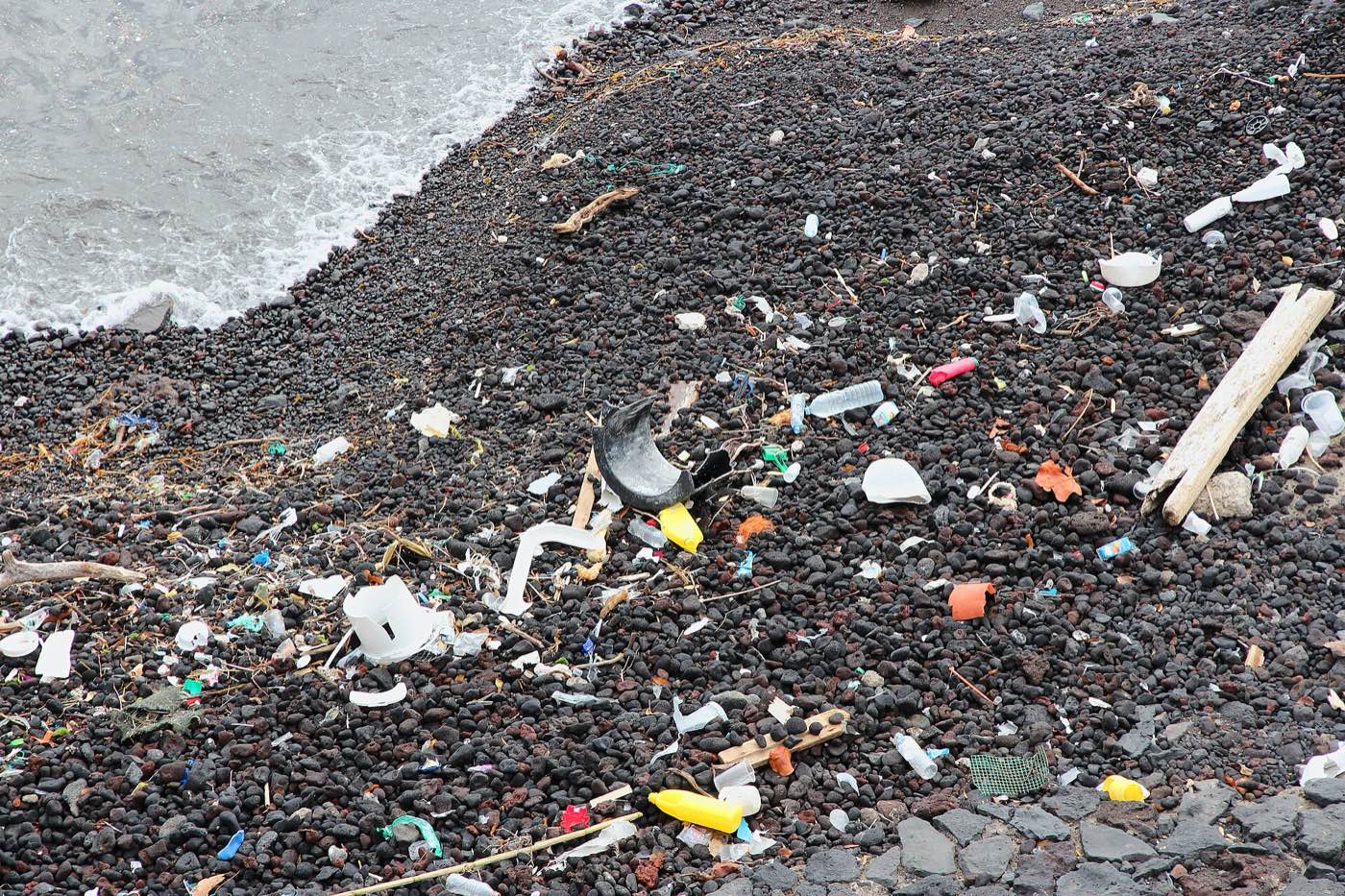
Plastic debris on an Atlantic shoreline, Tenerife.
Credit: Marek Ślusarczyk / Wikimedia Commons, CC BY 3.0 — licence
The answer isn't more plastic. It's a material that nature already knows how to recycle — jute.
We are developing and sourcing jute-based solutions with a focus on commercial practicality and Australian market requirements. Each card states honestly where that product stands today.
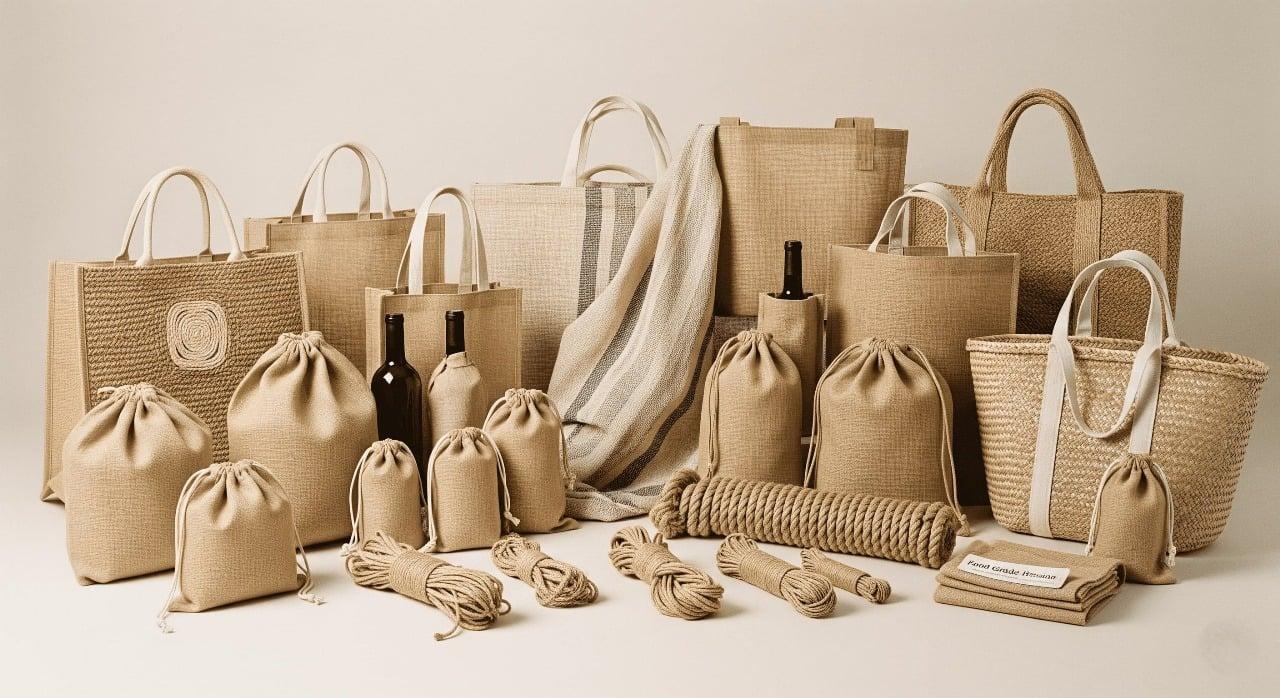
The natural jute range: totes, drawstring pouches, wine carriers, rope and woven fabric.
Credit: Supplied
Flexible jute-cellulose-based material being developed as an alternative to conventional plastic film for suitable applications.
A next-generation bag concept using jute-derived cellulose rather than relying solely on conventional fossil-based plastic.
Natural fibreSourcing nowTraditional jute remains one of the world's most useful natural packaging fibres — available today while our biopolymer work continues.
Have a plastic product you want to replace? Work with us to investigate whether a jute-based material could provide a suitable alternative.
Jute has been cultivated across the Bengal delta for generations. Unlike the fossil resources behind conventional plastics, it is an agricultural resource that can be grown again and again.
Jute is derived from a plant grown season after season, rather than from crude-oil-based feedstocks.
Natural, untreated jute fibre is biodegradable. Engineered products require their own testing.
Bangladesh holds generations of knowledge and infrastructure in jute cultivation and processing.
Modern material science allows jute cellulose to be investigated well beyond sacks, ropes and textiles.
Higher-value uses for jute can create additional economic opportunity across the supply chain.
Bangladesh has the raw material, the manufacturing knowledge and the history. Australia has businesses searching for better ways to handle packaging and material waste. SonaliJute connects the two.
For two centuries, jute has shaped the life, land, and livelihood of Bangladesh. We are bringing that heritage to Australia.
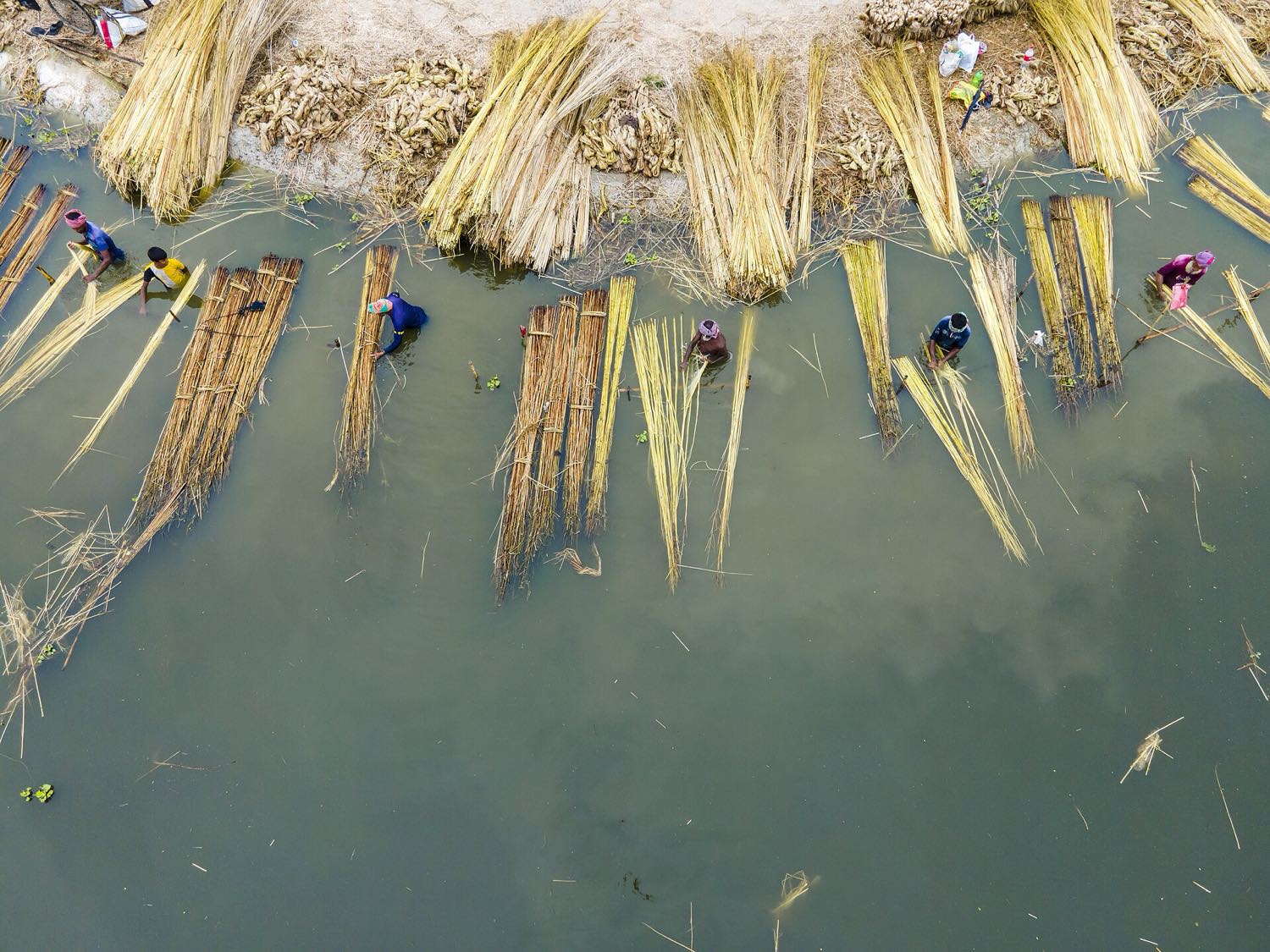
Harvested jute laid out to ret in the delta — Natore, Bangladesh.
Credit: Muhammad Amdad Hossain / Wikimedia Commons, CC BY-SA 4.0 — licence
Grown in the world's largest delta, jute is one of the most affordable natural fibres on earth — fully biodegradable, endlessly renewable, and woven into the identity of a nation. We bring it to Australia at the scale local industry needs.
The deltas of Bengal become the centre of world jute cultivation, weaving the fibre into global trade.
Jute earns its name — 'Sonali Aash', the Golden Fibre — for the wealth it brought and the warm glow of its strands.
Bangladeshi researchers demonstrate that cellulose extracted from jute can be engineered into a biodegradable polymer film.
Bangladesh remains the world's largest raw jute exporter, with millions of rural livelihoods tied to the harvest.
SonaliJute is working to bring jute-based material solutions — not just raw fibre — to the Australian market.
Australia is moving toward a more circular approach to packaging and waste. For businesses that creates a need for materials that are not only marketed as sustainable, but are technically suitable, correctly labelled and supported by credible evidence.
Evaluate material properties, candidate applications and manufacturing consistency.
Stage 1Work with qualified laboratories to verify applicable environmental and performance claims.
Stage 2Where applicable, pursue testing against the relevant Australian compostability requirements.
Stage 3Work with selected Australian businesses to trial suitable applications in the real world.
Stage 4Develop a reliable Bangladesh-to-Australia supply chain for validated products.
Stage 5We are early in this roadmap. We would rather tell you exactly where we are than imply we are further along.
We don't believe putting a green leaf on a product makes it sustainable. Environmental performance should be supported by appropriate testing.
The Australian standard for materials claimed to break down in industrial composting facilities.
The Australian standard for materials claimed to break down in a domestic compost bin.
Our commitment. Until a particular product has completed the required independent verification, we will not represent it as certified to an Australian standard.
Jute-cellulose biopolymers are not simply a marketing concept — they are the subject of published material science.
Research has investigated jute-derived cellulose materials and the development of the Bangladesh-originated Sonali Bag® technology. The work of Dr Mubarak Ahmad Khan and collaborating researchers demonstrated that jute cellulose can be engineered into biodegradable polymer material.
Resources we intend to publish as the work progresses:
Our environmental strategy is built around four principles — and around publishing data rather than adjectives.
Prioritise materials derived from renewable biological resources such as jute.
Develop products with clearly defined disposal pathways rather than vague environmental promises.
Build long-term relationships with Bangladeshi suppliers and manufacturers.
As operations grow, measure and publish real data — volumes, plastic displacement, supply-chain emissions.
No invented numbers. No greenwashing. Progress we can prove.
A climate-focused company should be honest about the difference between an ambition and an achievement. Here is exactly where we stand.
Documented and verifiable today
Work actively under way
Where we intend to get to
Tell us what plastic product you use today, your dimensions, estimated annual volume and performance requirements. We'll investigate whether a jute-based alternative may be suitable.
SonaliJute Australia is an early-stage company focused on introducing innovative jute-based materials from Bangladesh to the Australian market.
We are building relationships across research, manufacturing, agriculture, logistics and Australian industry to identify where jute-based materials can provide commercially practical alternatives to conventional plastics.
Some of tomorrow's most important materials may come from crops we have been growing for centuries.
We envision a future where Bangladesh moves higher in the global value chain by turning its natural resources into advanced sustainable materials. Where a fibre grown beside a river in Bangladesh becomes packaging used by a retailer in Melbourne. Where science creates new demand for traditional crops.
Not just raw fibre — the material science built on it.
Higher-value crops mean more opportunity up the chain.
Built around what Australian buyers actually require.
Whether you're a brand, manufacturer, or investor — we'd love to explore how jute can transform your supply chain.
Local stock, local support — Australia wide.